Price:€19.15








































When looking for a magnesium supplement, it is easy to come across an endless list of names: carbonate, chloride, bisglycinate, citrate… They all provide the same mineral, but they are not absorbed or tolerated in exactly the same way. Some also have a more noticeable effect on intestinal transit, while others are more convenient to take every day.
The key is to choose the one that best suits what you need and how you prefer to take it. Here we explain the differences simply.
Magnesium is involved in many of the body's functions. It contributes to normal muscle function and to the normal functioning of the nervous system, contributes to the reduction of tiredness and fatigue, contributes to normal energy-yielding metabolism and contributes to the maintenance of normal bones.1
It can be found in foods such as nuts, seeds, pulses, wholegrains, pure cocoa and green leafy vegetables. Even so, we do not always reach the recommended amounts through diet alone.
In fact, the ANIBES study found that 79% of the Spanish population studied did not reach 80% of the recommended magnesium intake.2 This does not mean that this percentage has a diagnosed deficiency, but it does show that intake may fall short.
The magnesium in supplements does not appear on its own: it is bound to another substance, giving rise to forms such as carbonate, chloride or bisglycinate. This bond influences how much magnesium each product provides, how well it is absorbed and how the digestive system tolerates it.
So rather than searching for the perfect magnesium, it is worth focusing on your main goal, the digestive effect and the format.
This option is closely linked to digestive wellbeing. Within our range it has a medium laxative effect and may be a good fit when, in addition to taking magnesium, you are looking for help with heartburn, heaviness or occasional constipation. It is available in powder and tablet form.
In this form, magnesium is bound to glycine. It stands out for its high absorption and good digestive tolerance, making it a convenient option for everyday use and for those looking to help reduce tiredness and fatigue.
Magnesium chloride has the strongest laxative effect in our range. It can be a good choice when your goal is also related to intestinal transit. It is available as tablets or in crystallised form to dissolve.
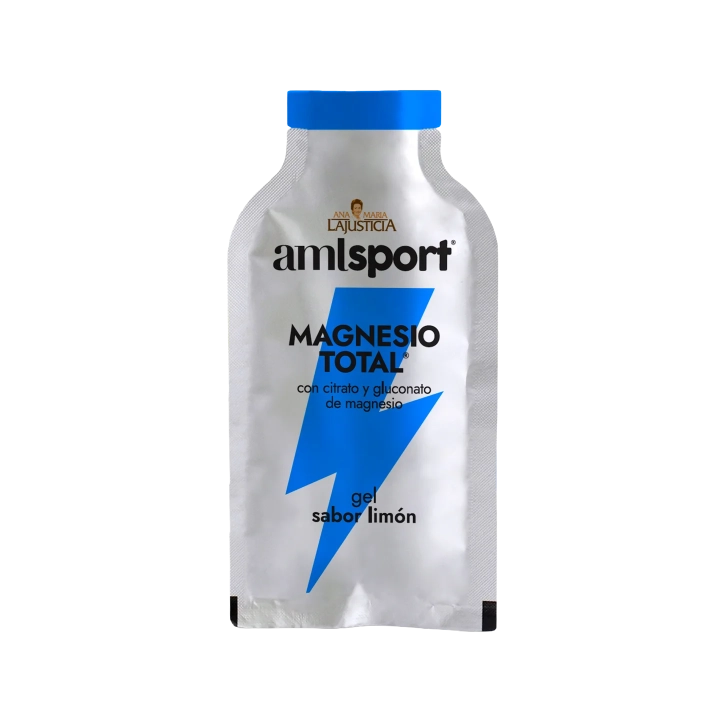
Oxide provides a high amount of elemental magnesium, while citrate is used for its good bioavailability. These forms are usually combined with other sources in products designed to offer a more complete intake.
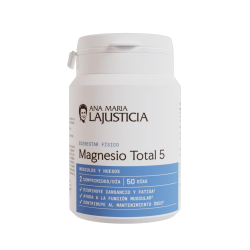
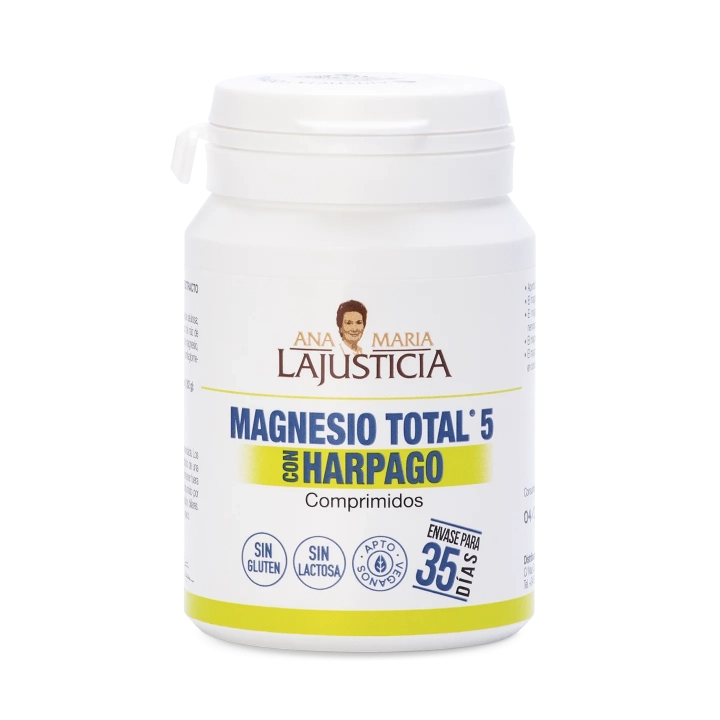
There are also formulas that bring together different types of magnesium. Magnesio Total® 5 combines five sources and offers more comprehensive support, with a low laxative effect. It is neither better nor worse than the other options: it simply meets a different need.
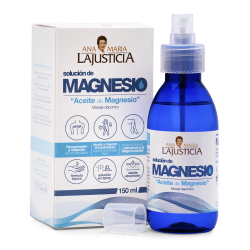
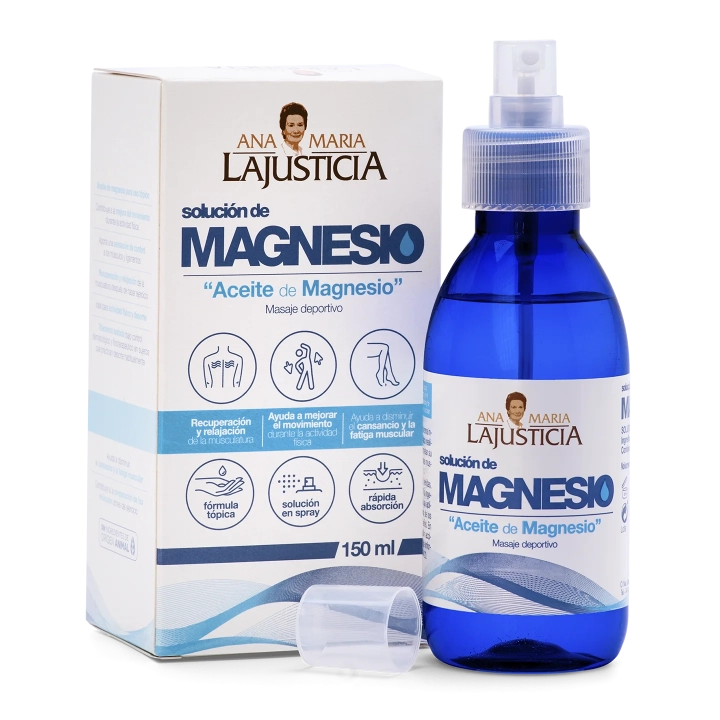
Magnesium oil is used topically and applied by massage to specific areas. It does not replace an oral supplement and is not intended to cover daily magnesium needs. On some skin types it may cause itching or stinging, so it is important to always follow the directions for use.
To make it easier, you can start from your main need:
Then all that is left is to choose the format you find most convenient: powder, tablets, liquid, crystallised, chewable or topical. Consistency also matters, so the best format will be the one you can easily fit into your daily life.
| Product | Brief description |
|---|---|
| Magnesium Bisglycinate | High absorption and good digestive tolerance. |
| Magnesio Total® 5 | Five sources of magnesium and a low laxative effect. |
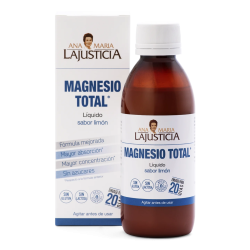
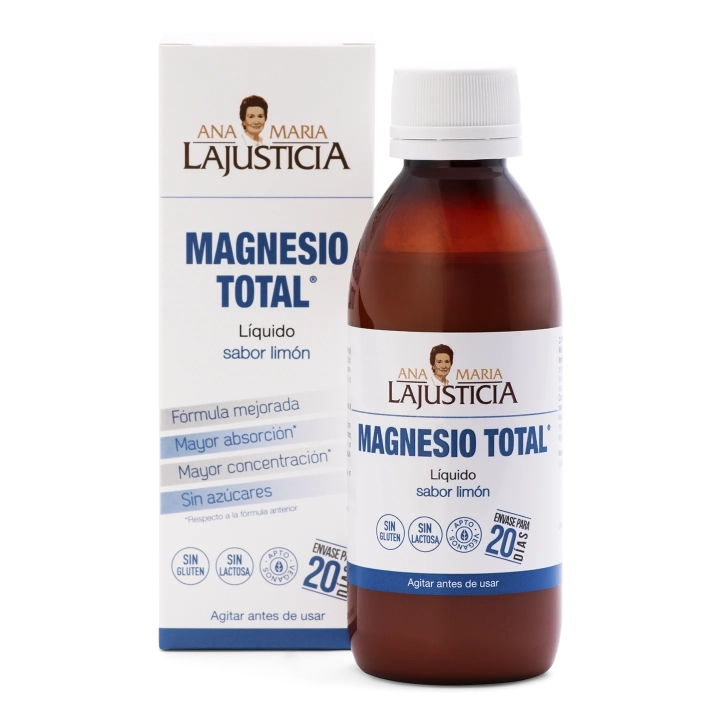
| Magnesio Total | A liquid option that is easy to fit into your daily routine. |
| Magnesium Carbonate | Digestive wellbeing and a medium laxative effect. |
| Magnesium Chloride | Strong laxative effect and two formats to choose from. |
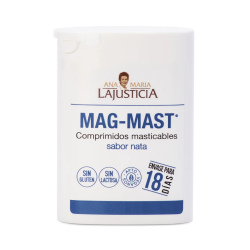
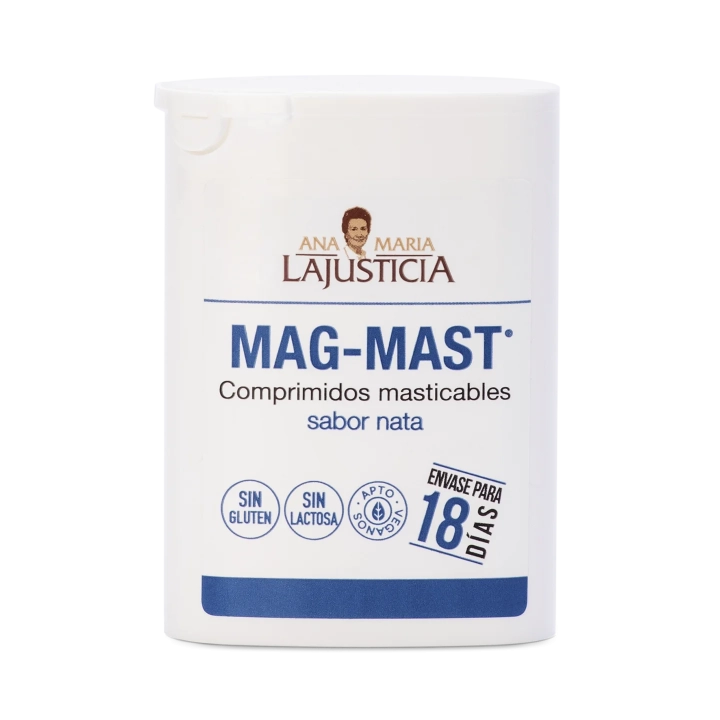
| Mag Mast | Chewable format aimed at heartburn. |
| Magnesium Oil | Localised application by massage. |
The European Food Safety Authority (EFSA) sets an adequate intake of 350 mg of magnesium per day for adult men and 300 mg per day for adult women.3 These amounts include the magnesium we obtain through our diet; they do not indicate how much a supplement should necessarily provide.
So before choosing a product, it is worth checking how much magnesium it provides per dose and always following the directions on the pack. Taking more does not mean getting more benefits and may cause digestive discomfort, especially with the forms that have a stronger laxative effect.
There is no timeframe that applies to everyone. It depends on your diet, your individual needs, the product chosen and consistency. Magnesium should not be seen as an instant solution, but as part of a healthy diet and lifestyle.
If you have kidney failure, are pregnant or breastfeeding, have any medical condition or are taking medication, consult a healthcare professional first. Some medicines may also need to be taken at a different time from magnesium.
Food supplements should not be used as a substitute for a varied and balanced diet and a healthy lifestyle.
Not all types of magnesium are the same, and that is precisely the advantage: we can choose the one that best suits what we are looking for. Bisglycinate stands out for its digestive tolerance; carbonate and chloride can help when an effect on intestinal transit is also sought; Magnesio Total® 5 brings together several sources; and magnesium oil offers a topical option.
Identifying your main need and choosing a convenient format are the two steps that make the choice much simpler.
1. European Commission. Commission Regulation (EU) No 432/2012 establishing a list of permitted health claims. https://eur-lex.europa.eu/legal-content/ES/TXT/?uri=CELEX%3A32012R0432
2. Olza J. et al. Reported Dietary Intake and Food Sources of Calcium, Phosphorus, Magnesium and Vitamin D in the Spanish Population: Findings from the ANIBES Study. Nutrients. 2017;9(2):168. https://doi.org/10.3390/nu9020168
3. EFSA Panel on Dietetic Products, Nutrition and Allergies. Scientific Opinion on Dietary Reference Values for magnesium. EFSA Journal. 2015;13(7):4186. https://doi.org/10.2903/j.efsa.2015.4186