Price:€19.15





Getting back into your routine after the holidays can be harder than expected. Readjusting to your schedule, responsibilities and usual pace takes a few days, and it is normal to feel less energetic or motivated at first.
This set of feelings is known as the post-holiday blues. Although the term "post-holiday depression" is also used, it is not a clinical diagnosis but a temporary response to a change of pace.
Rest, diet, movement and organisation can all make this transition easier. In this article we have gathered some simple guidelines and, if you would like to go further, you will find a more comprehensive guide in our Back to Routine ebook.
|
In this article |
The post-holiday blues describe the discomfort some people feel when returning to work, studies or their everyday obligations after a period of rest. They can show up in different ways:
These feelings usually improve as we settle back into our schedules. If they are intense, persist, get worse or interfere with daily life, it is important to consult a healthcare professional.
During the holidays, sleep and meal times, activity levels, time spent outdoors and the way we organise our day all tend to change. When we return, all these habits change again in a short space of time.
The contrast between a more flexible period and a schedule full of fixed times and responsibilities can lead to tiredness, disrupted sleep and a feeling of low motivation. It is not a matter of lacking willpower: body and mind need a short period to adapt.
You do not need to get everything right from day one. Gradually bring forward the time you go to bed and get up, try to keep similar meal times, and leave some breathing space between the end of the day and bedtime.
Returning to routine often means less time to cook. Planning two or three staple meals, preparing some ingredients in advance and keeping simple options to hand helps you avoid improvising.
Prioritise vegetables and fruit, pulses, wholegrains, nuts, eggs, fish and other sources of protein. A balanced diet provides nutrients such as magnesium, iron, B vitamins and tryptophan, which are related to energy metabolism and the normal functioning of the nervous system. Studies on dietary patterns and mental health suggest that improving overall diet quality can be part of looking after emotional wellbeing.1
Keep water in sight and drink regularly throughout the day. Needs vary depending on the person, the climate and physical activity, so there is no need to set the same amount for everyone. Water contributes to the maintenance of normal physical and cognitive functions.2
After several days or weeks on a different schedule, starting with a very intense routine can be hard to sustain. Walking, moving during breaks or gradually returning to your usual activity is already a good start. Regular physical activity benefits both physical and mental health.3
Choose a few priorities and spread your tasks across the week. Leaving room to rest, prepare meals and do something enjoyable helps stop your return from becoming an endless list of obligations.
In the Back to Routine ebook you will find more ideas on rest, practical eating, hydration, exercise, stress management and weekly planning.
Food supplements do not replace good habits, but they can complement them when there is a specific need. The Ana María Lajusticia® range offers several options:
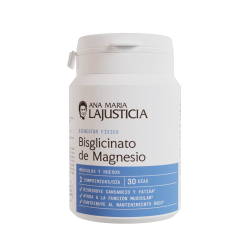
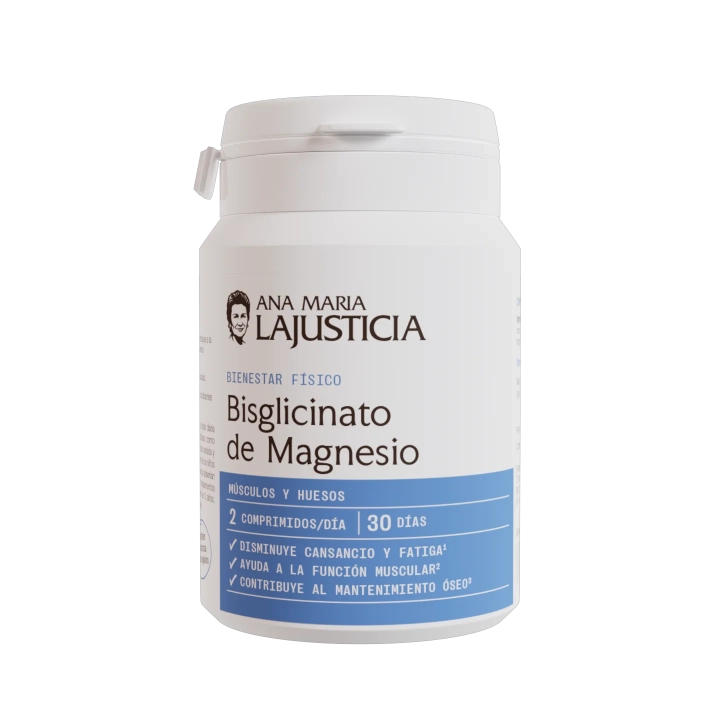
Magnesium Bisglycinate provides highly absorbable magnesium that is well tolerated by the digestive system. Magnesium contributes to the reduction of tiredness and fatigue and to the normal functioning of the nervous system.4
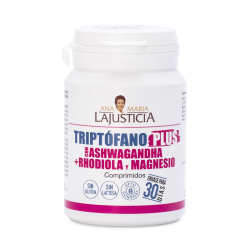
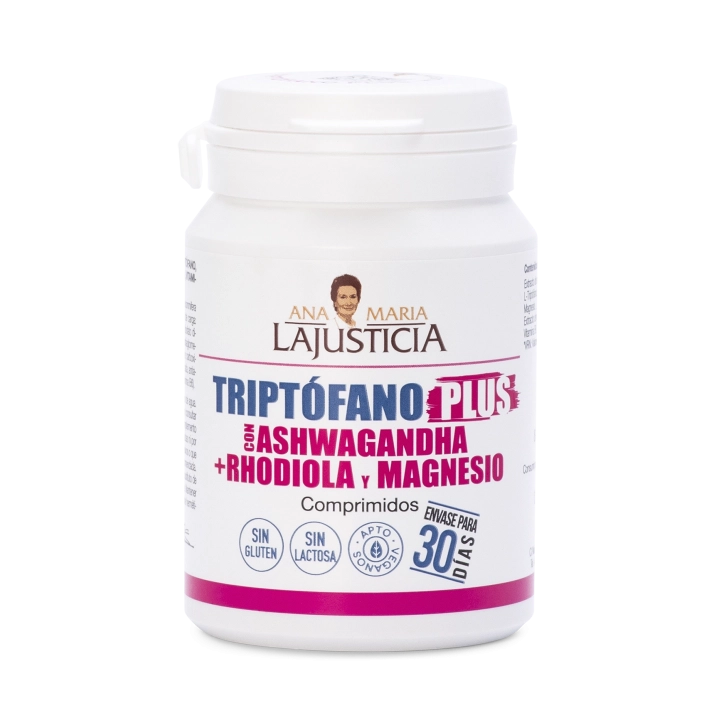
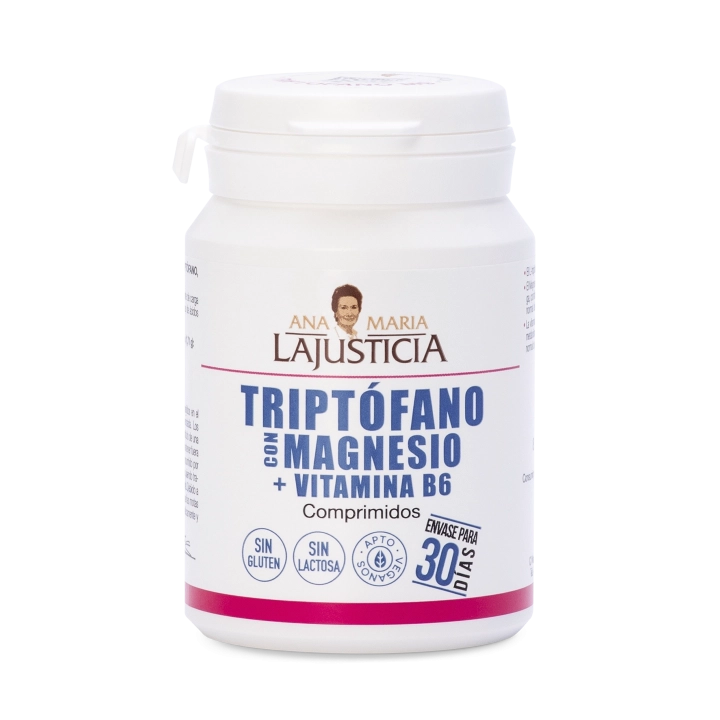
Tryptophan PLUS combines tryptophan, magnesium, vitamin B6, ashwagandha and rhodiola. It is an option designed for more demanding periods and to support emotional wellbeing.
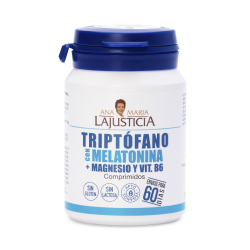
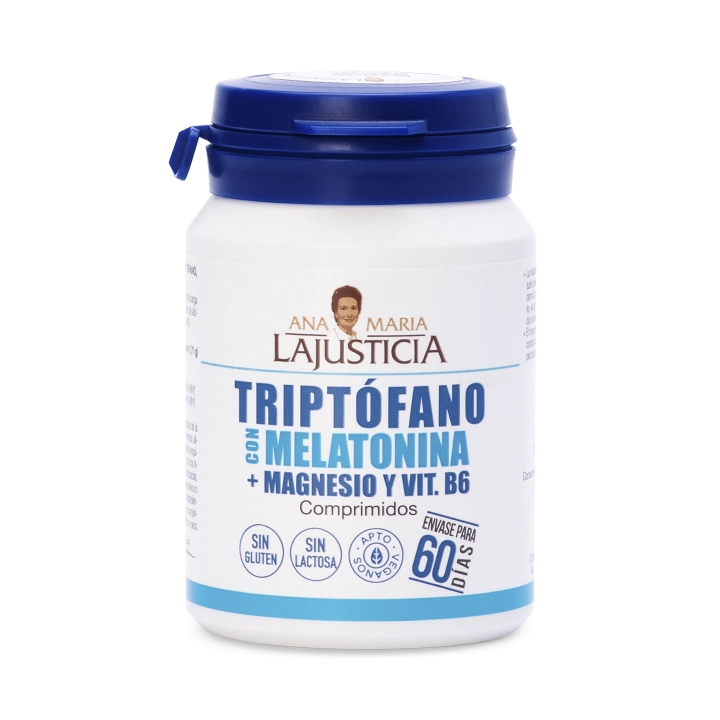
Tryptophan with Melatonin may be a good fit when it is hard to fall asleep again at your usual time. Melatonin contributes to the reduction of time taken to fall asleep when 1 mg is taken close to bedtime.4
Before taking any supplement, always check the product's directions for use and warnings. If you are taking medication, are pregnant or breastfeeding, or have any health condition, consult a healthcare professional.
Getting back into your routine does not have to happen overnight. Readjusting your schedule, planning simple meals, moving a little every day and setting aside time to rest are small steps that help make the change easier.
Our Back to Routine ebook brings together practical tools to organise these habits and adapt them to your week.
Download the Back to Routine ebook and start getting back on track, step by step.
| Download the ebook |
1. Jacka FN et al. A randomised controlled trial of dietary improvement for adults with major depression, the SMILES trial. BMC Medicine. 2017;15:23. https://doi.org/10.1186/s12916-017-0791-y
2. European Commission. Commission Regulation (EU) No 432/2012 establishing a list of permitted health claims made on foods. https://eur-lex.europa.eu/legal-content/ES/TXT/?uri=CELEX%3A32012R0432
3. World Health Organization. Physical activity fact sheet. https://www.who.int/news-room/fact-sheets/detail/physical-activity
4. European Commission. EU Register of nutrition and health claims made on foods. https://ec.europa.eu/food/food-feed-portal/screen/health-claims/eu-register
 Ashwagandha: what it is, what it's used for and what the science says